





Miloš Šejn | Českých Bratří 312 | CZ-50601 Jičín | T +420 723 701 658 | milos [at-sign] sejn.cz
AllForWeb | © 2008 sejn
Darina Alster | Vladimír Ambroz | Jan Ambrůz | Marilyn Arsem | Juraj Bartusz | Alena Beldová | Barbara Benish | Jiří Beránek | Jan Berdyszak | Joseph Beuys | František Bič | František Bílek | BKS | Marie Blabolilová | Black Market | Tassilo Blittersdorff | John Boehme | Erika Bornová | Václav Boštík | Vladimír Boudník | Boveři | Pavel Brázda | Veronika Bromová | Pavel Büchler | James Lee Byars | Guo-Qiang Cai | Monty Cantsin | Tomáš Císařovský | Brian Connolly | Chris Cutler | Miloš Cvach | Josef Čapek | Jiří Černický | Štěpán Čížek | Salvador Dalí | Josef Daněk | Jiří David | Hugo Demartini | Stanislav Diviš | Milan Dobeš | Jan Doubek | František Drtikol | Marcel Duchamp | Petr Dvořák | Ľubomír Ďurček | Eva Eisler | Petronela Estrada | Gábina Fárová | Zdena Fibichová | Rudolf Fila | Stano Filko | Emil Filla | Daniel Fischer | Homer Flynn | František Foltýn | Michal Gabriel | Laco Garaj | Kurt Gebauer | František Gross | Milan Grygar | Miloslav Sonny Halas | Alexander Hammid | Hana Hamplová | Soonja Han | Emma Harmadyová | Erika Harrsch | Vladimír Havlík | Robert Hliněnský | Bohdan Holomíček | Václav Houf | Milan Houser | František Hudeček | T. C. Chan | Dalibor Chatrný | Bruce Checefski | Jozef Jankovič | Vladimír Janoušek | Věra Janoušková | Jan Jemelka | Magdalena Jetelová | Josef Jíra | Naděžda Jirásková | Martin John | Aneta Jochimová | Čestmír Kafka | Ivan Kafka | Peggy Jarrell Kaplan | Olga Karlíková | Jana Kasalová | Jan Kavan | Michal Kern | Krištof Kintera | Pavla Kislerová | Norbert Klassen | Klára Kleinerová | Svatopluk Klimeš | Eva Kmentová | Milan Knížák | Jan Koblasa | František Kobliha | Jiří Hynek Kocman | Václav Kočí | Vladimír Kokolia | Jiří Kolář | Matěj Kolář | Stanislav Kolíbal | Jan Konůpek | Miloš Koreček | Jiří Kornatovský | Marius Kotrba | Josef Koudelka | Jiří Kovanda | František Kowolowski | Radoslav Kratina | Ivan Kříž | Jan Kubíček | Alena Kučerová | František Kupka | Petr Kvíčala | Mang-ho Frog King Kwok | František Kyncl | Bohdan Lacina | Aleš Lamr | Otis Laubert | Kamil Lhoták | Tomáš Lorenc | Alena Loučanská | Petr Lysáček | George Maciunas | Alastair MacLennan | Zdeněk Macháček | Martin Mainer | Karel Malich | Jan Malý | Bohumír Matal | František Matoušek | Karl Matson | Milan Maur | Juraj Meliš | Jan Merta | Vladimír Merta | Ondřej Michálek | Jan Mlčoch | Ágnes Éva Molnár | Peter Moore | Miroslav Moucha | Jiří Načeradský | Pavel Navrátil | Rudolf Němec | Karel Nepraš | Pavel Nešleha | Miroslav Netík | Boris Nieslony | Petr Nikl | Hermann Nitsch | Jiřina Nováčková | Ladislav Novák | Otmar Oliva | Yoko Ono | Ivan Ouhel | Marian Palla | Jaroslav Panuška | František Pavůček | Lucie Peterková | Zygmunt Piotrowski | Otto Placht | Luboš Plný | Marie Polášková | Pavel Pražák | Vladimír Preclík | Jana Preková | Michal Ranný | Karel Rechlík | Bohuslav Reynek | Michael Rittstein | Nigel Rolfe | Jaroslav Róna | Peter Rónai | Blahoslav Rozbořil | Tomáš Ruller | Tereza Rullerová | Rudolf Sikora | František Skála | Vladimír Skrepl | Eva Sližová | Jiří Sopko | Jiří Sozanský | Vasil Stanko | Tono Stano | Jan Steklík | Stelarc | Václav Stratil | Viktor Stretti | Antonín Střížek | Jiří Surůvka | Čestmír Suška | Jan Svoboda | Zdeněk Sýkora | Jan Symon | János Szirtés | Miloš Šejn | Jaroslav Šerých | Josef Šíma | Dušan Šimánek | Miroslav Šimorda | Adriena Šimotová | Jano Šrámek | Petr Štembera | Kateřina Štenclová | Miroslav Štolfa | Jindřich Štreit | Jan Švankmajer | Michal Švarc | Min Tanaka | The Rodina | David Tieku | Margita Titlová | Tomáš Ruller | Desider Tóth | Toyen | Barbora Trnková | Karel Vaca | Josef Váchal | Jiří Valoch | Květa Válová | Bohuslav Woody Vašulka | Aleš Veselý | Petr Veselý | Dalibor Vybíral | David Wells | Kai-Oi Joyce Yung | Habib Kheradyar Zamani | Marcela Zaoralová | Ján Závarský | Jindřich Zeithamml | Stanislav Zippe | Ladislav Zívr | Olbram Zoubek | Jan Zrzavý | Václav Zykmund | Josef Žáček
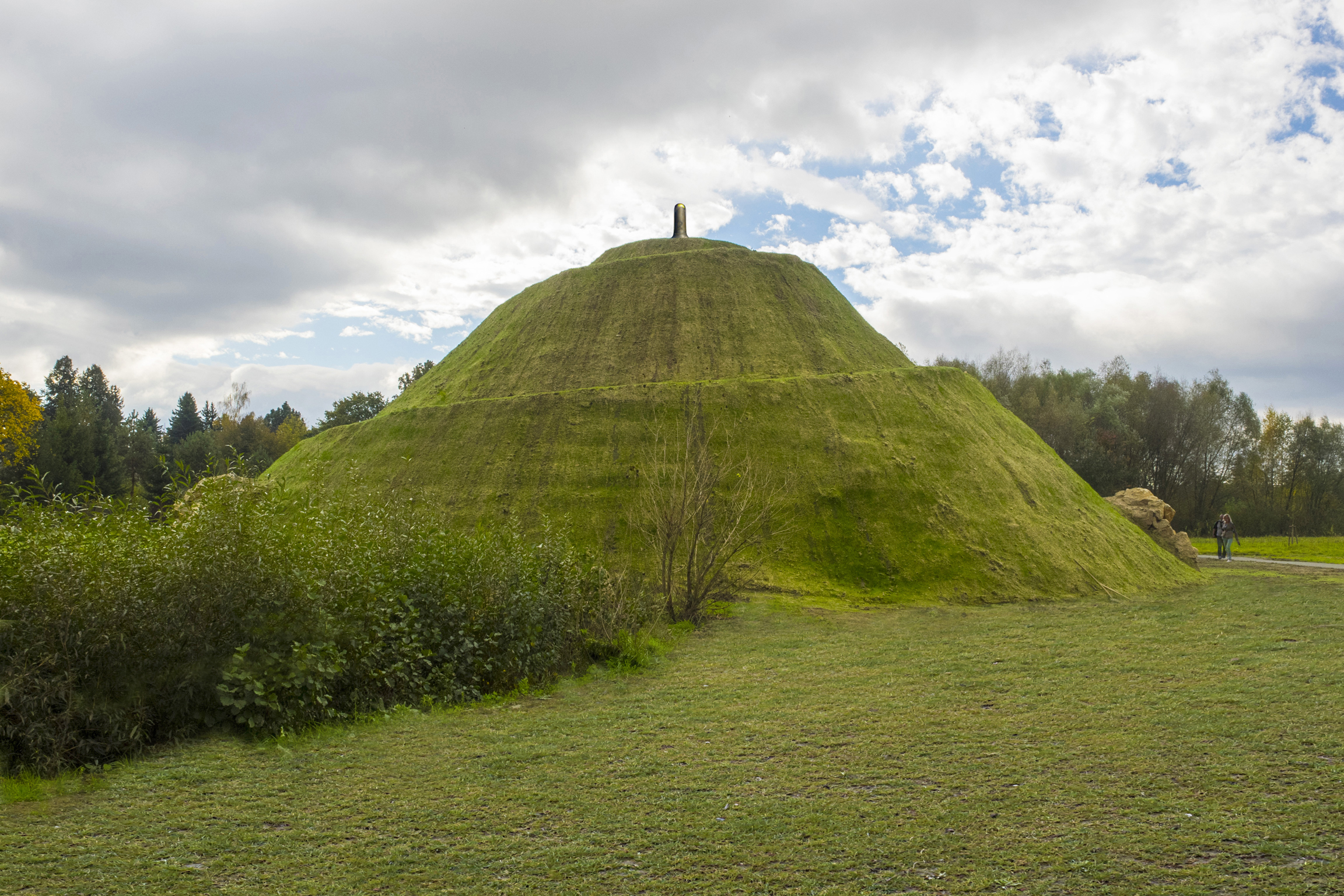
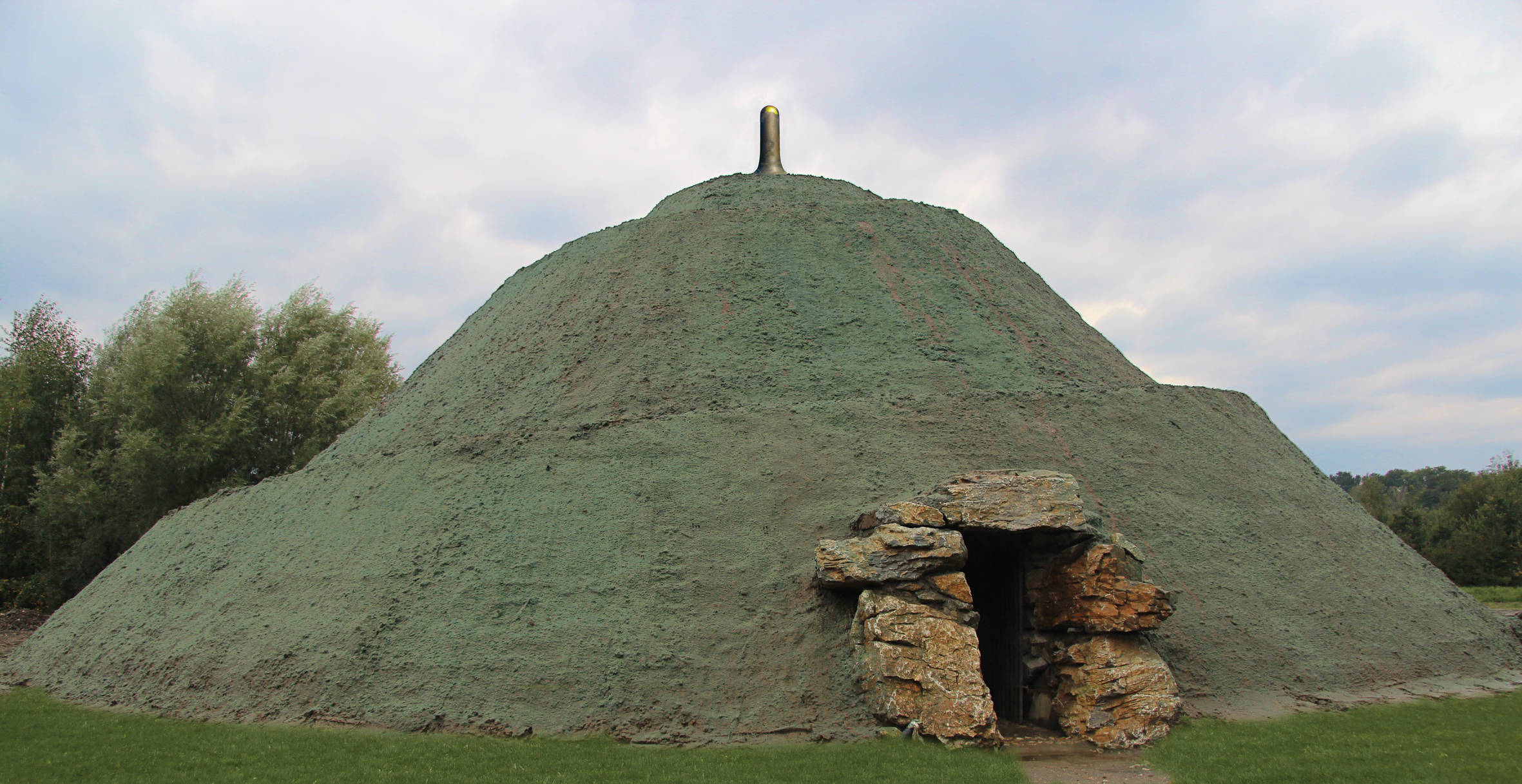
 Grande Terre, 1997
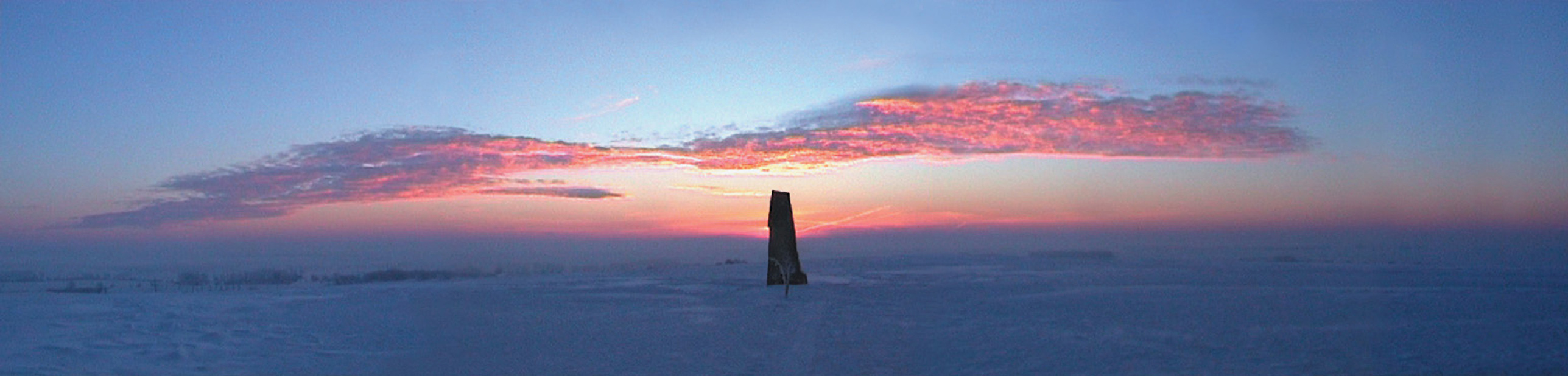 Place of Justice, 1999, sandstone, two linden trees
 Academy Archives
Miloš Šejn | Českých Bratří 312 | CZ-50601 Jičín | T +420 723 701 658 | milos [at-sign] sejn.cz