Disk cannot be read
“If we want to understand where we come from and where we are heading, it is important to pause from time to time and look back. Because only in the rear-view mirror can we see what has changed around us and within us; when and where social, intellectual, and technological development reached a critical point at which the overall paradigm began to shift.”
Peter Sloterdijk
The exhibition “Disk nelze načíst / Disk Cannot Be Loaded” is a notional journey through the hidden corners of analogue media, (pre-)digital technologies, media in general, and artistic experiments roughly since the 1990s. It suggests how (now often forgotten) media carriers and the related hardware and software — such as VHS/BetaMax/Hi-8 tapes, the Atari Video Console, diskettes, HyperCard, CD-ROM, Macromedia Director, or Second Life — shaped the development and research of both industrial and artistic applications, and what preserves their historical, artistic, and social value, as well as their uniqueness.
From the very beginning, information media and technologies — along with media art — were shaped above all by the imperative of moving toward the future. Paradoxically, they are still labelled with the old-fashioned term “new media.”In the second half of the last century, however, the interface between the new and the old kept shifting rapidly, and boundaries dissolved. What only yesterday appeared miraculous and rare, a prototype on the market, soon became either an everyday part of our lives, an obsolete and nearly unusable archival object, or even a candidate for recycling — or the landfill.
At times, the significance of an object may be restored and preserved in a physical or digital archive, cared for by a collector or even a media archaeologist. They recognise in the repository its value — traces and testimonies of the past, the present, even the future — its trajectory between old and new. The media archaeologist understands processes of decay, entropy, restoration, and the possibilities of revival. Some even claim that abandoned, once-“new media” do not disappear forever; that we can reawaken them and turn them into “undead” or “zombie” media.
The installation “Disk nelze načíst / Disk Cannot Be Loaded” emerged as a collaboration between the Vašulka Kitchen team (Miloš Vojtěchovský, Ondřej Merta, …), the research and development collective Handa Gote, and the Retro-herna collective devoted to the history of computer games. It features interactive works and studies by Miloš Šejn, Suzanne Treister, Zoe Beloff, Graham Harwood, Chris Marker, Antoni Muntadas, Karl Doing & Pierre Bastien, Thoru Yamamoto, JODI, Woody Vašulka, Bureau d’Études, Amanita Studio, Cyan Software, and others.
About the authors: The Prague-based artistic association Handa Gote research & development focuses on dramaturgical experimentation, integrating unconventional elements into its stage works, and cultivating a distinctive approach to post-dramatic and post-spectacular theatre inspired by science and technology. The group’s name — a term for a soldering iron — comes from Japanese culture and symbolises key aspects of their creative methods: DIY, playfulness, sensuous engagement with materials, recycling, folk culture, and inspiration drawn from non-European cultures. Another central theme for Handa Gote is the interest in and research of media archaeology and media geology as environments situated between ecology and technology. Current members of Handa Gote include Veronika Švábová, Tomáš Procházka, Jan Dőrner, Jonáš Svatoš, Vavřinec Němec, and producer Maria Cavina.
In the early 1990s, within the Imaginary Museum Projects group, Miloš Vojtěchovský collaborated on the interactive educational installation Orbis Pictus Revised for the ZKM Media Museum in Karlsruhe. Since then, he has developed an interest in both old and new media and in media archaeology.
https://wiki.vasulkakitchen.org/CD-ROM_vystava
https://www.vasulkakitchen.org/en/event/disc-cannot-be-read
https://agosto-foundation.org/project/colorvm-natvrae-varietas
https://www.sejn.cz/works/movies-videos/colorvm-natvrae-varietas-1999
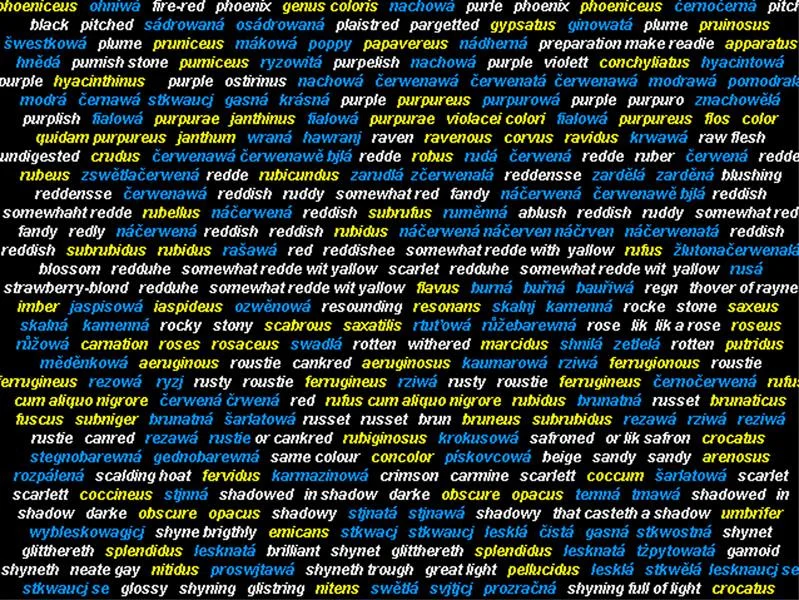
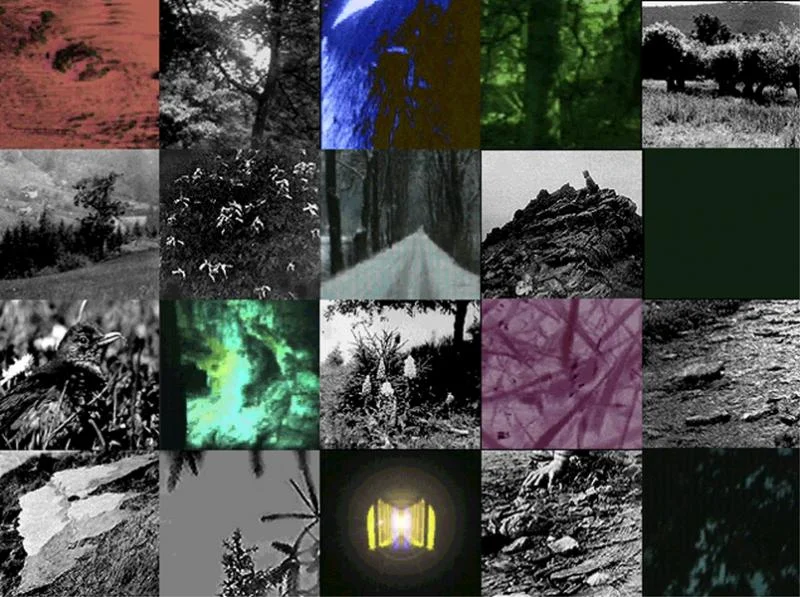
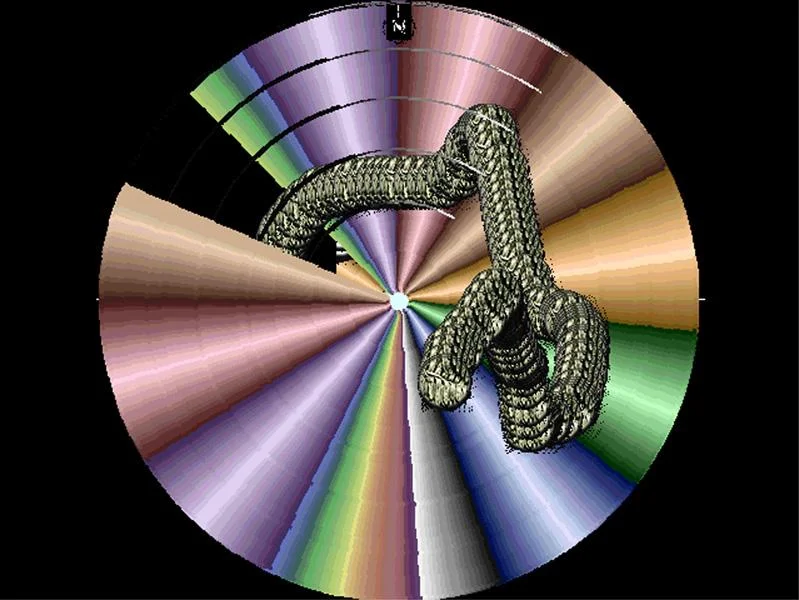
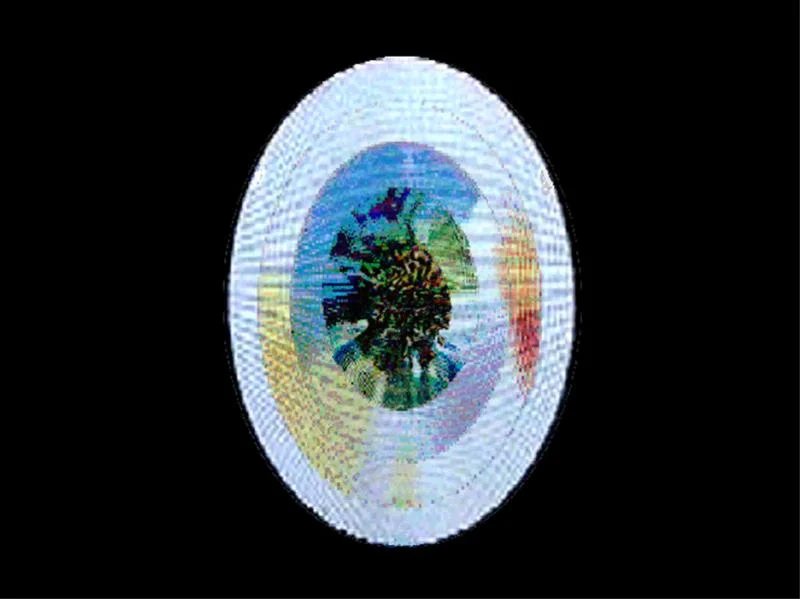
https://issuu.com/nvbes/docs/1999_colorvm_natvrae_varietas_by_milos_sejn
9. 12. 2025 - 8. 2. 2026 | VAŠULKA KITCHEN BRNO
Artist Operators: Miloš Vojtěchovský, Handa Gote
Media archaeologists Jussi Parikka and Garnet Hertz argue that electronic media do not disappear forever; in the course of history, they occasionally awaken from their slumber and become zombie media. Disk cannot be read is a notional expedition into the forgotten corners of analog and (pre-)digital technologies, carriers, and artistic experiments dating roughly from the early 1990s. It suggests how these overlooked media, formats, devices, and software (such as VHS, Atari Video Console, floppy disks, HyperCard, CD-ROM, Macromedia Director, Flash, or Second Life) have shaped industrial as well as cultural development and research. Do they encode a unique historical, aesthetic, and social memory?
https://wiki.vasulkakitchen.org/CD-ROM_vystava
https://www.vasulkakitchen.org/en/event/disc-cannot-be-read